Stellar
Stellar
Co-founder
Jun 2022 - Present
Leadership
Just a year ago, I took the plunge into a brand new adventure as a founder. The journey has been nothing short of exhilarating. Last summer, my co-founders and I were welcomed into Y Combinator. There was a moment when I realized that if I didn't seize this opportunity, I'd probably end up kicking myself later. So, with a heart full of excitement and a hint of nervousness, I embraced this chance of a lifetime. And it's been a ride unlike anything I could have imagined.
But, let's rewind a bit. Before all this, I had spent a solid three years soaking up the startup atmosphere in a company of ~200 employees with less 10 UX Designers at the time. Then jumped into the corporate world for nearly five years - finding my identity as a UX Design Leader. It’s been quite the journey already.
Becoming a founder reshaped my perspective in ways I never saw coming. As a Designer, I've not only honed my skills but also elevated my design thinking to heights that, truth be told, caught me by surprise. I discovered a whole new dimension to my creative potential that was patiently waiting for the right moment to unfold.
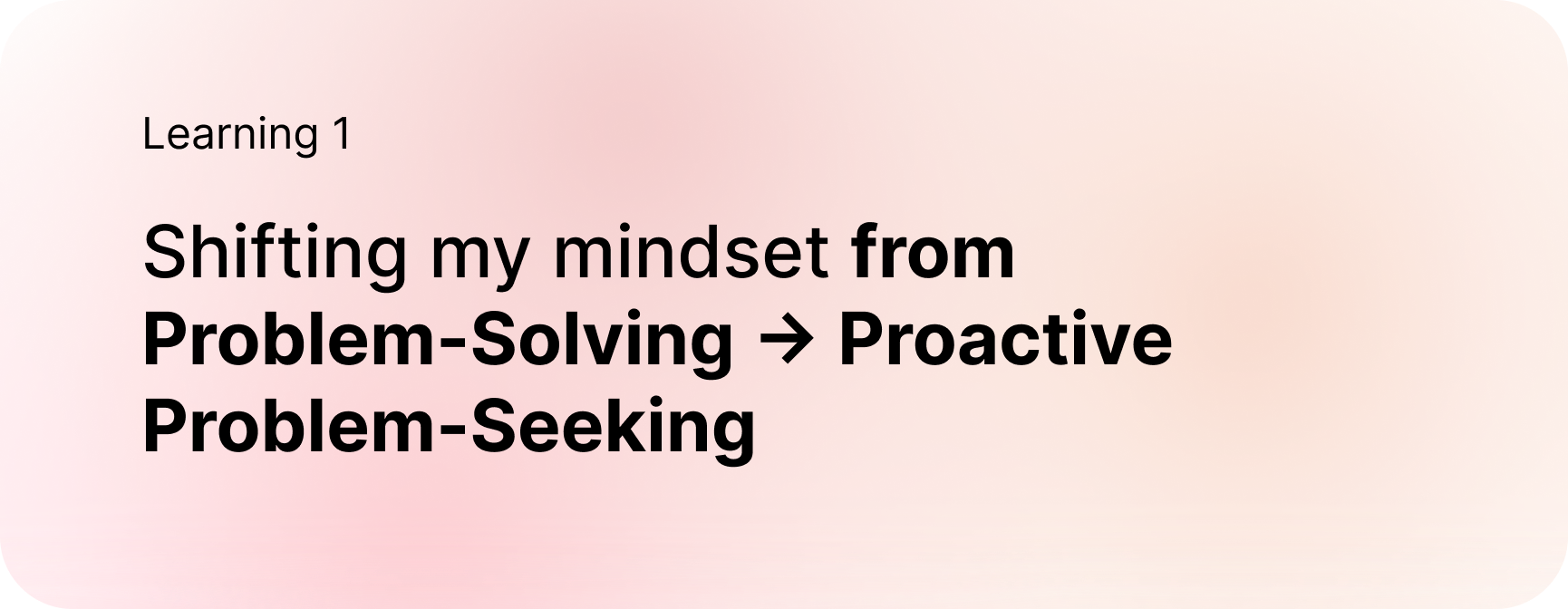
Right from the get-go, a Designer’s gut reaction might be, "Ok, this is the problem? This is how we might solve it.” But starting from scratch means diving into a sea of uncertainty – no fancy PRDs to hold your hand, just a whole lot of ambiguity. Our pivot journey through twists and turns was a masterclass in proactive problem hunting. And being apart of the YC accelerator program, we had to kill ideas/problems fast. We had to be quick decision makers, always questioning: How big is this problem? How acute is this problem? Are we the right fit to solve it? Do we have a new insight? These questions helped evaluate our different pivot ideas against one another.
Once we were able to find a problem that we were passionate about solving, we started to talk to target users. And this is where my Design powers kicked into high gear. Hyper-focusing on understanding the users needs/behaviors/goals to mine essential insights that paved the way for our product strategy. It entailed user interviews, creating user journeys, and data synthesis. Then building the value through our product for our first set of customers.
Throughout the year, it involved actively and continuously searching for potential issues, gaps, and opportunities within our business landscape. Looking beyond the surface to identify underlying concerns that might not be immediately apparent. Understanding and identifying potential market shifts or anticipating changing customer needs. Our focus was on being proactive and staying ahead of potential problems.
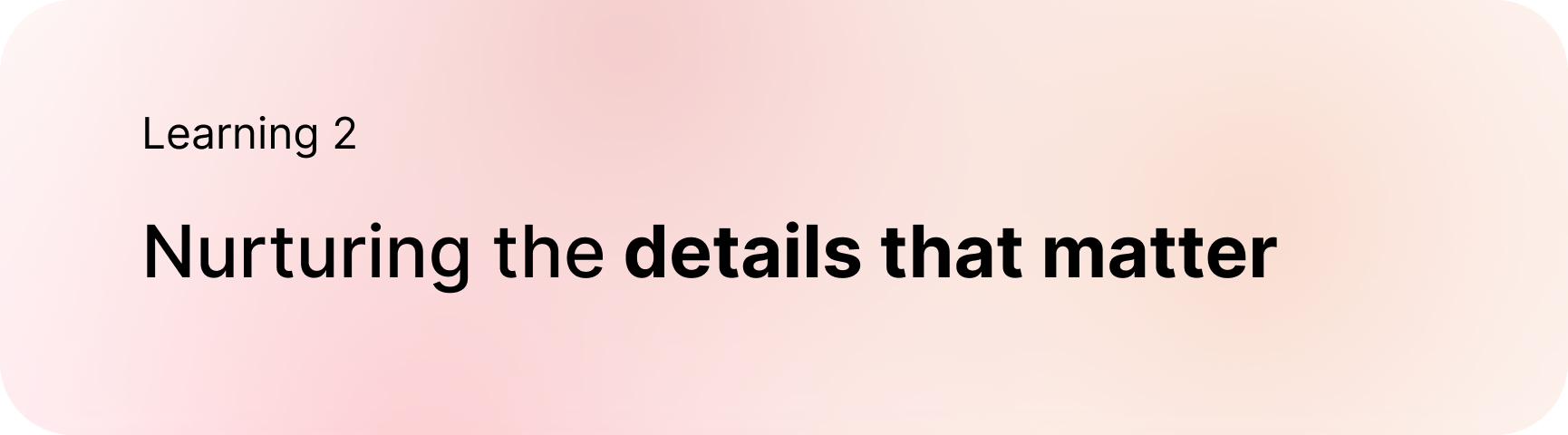
Starting a business means time is of the essence. I quickly learned that you can’t have it all, and that’s ok at an early stage startup. Striking a balance between delivering UX quality and propelling the bottom line forward was significant to our business.
Ruthlessly prioritizing for a Designer, well, at least for me, was a hard muscle to flex at first. Being this early on, it meant having to zoom in on the most important areas for the company’s success. It became clear that our focus had to be laser-sharp, targeting the pivotal zones that would drive impact.
A fellow design cofounder summed it up brilliantly for me: “You end up making pendulum swings... its all about speed to find those PMF moments and then react.” So, it's not about chasing perfection at the early stage; it's about mastering the rhythm of progress.
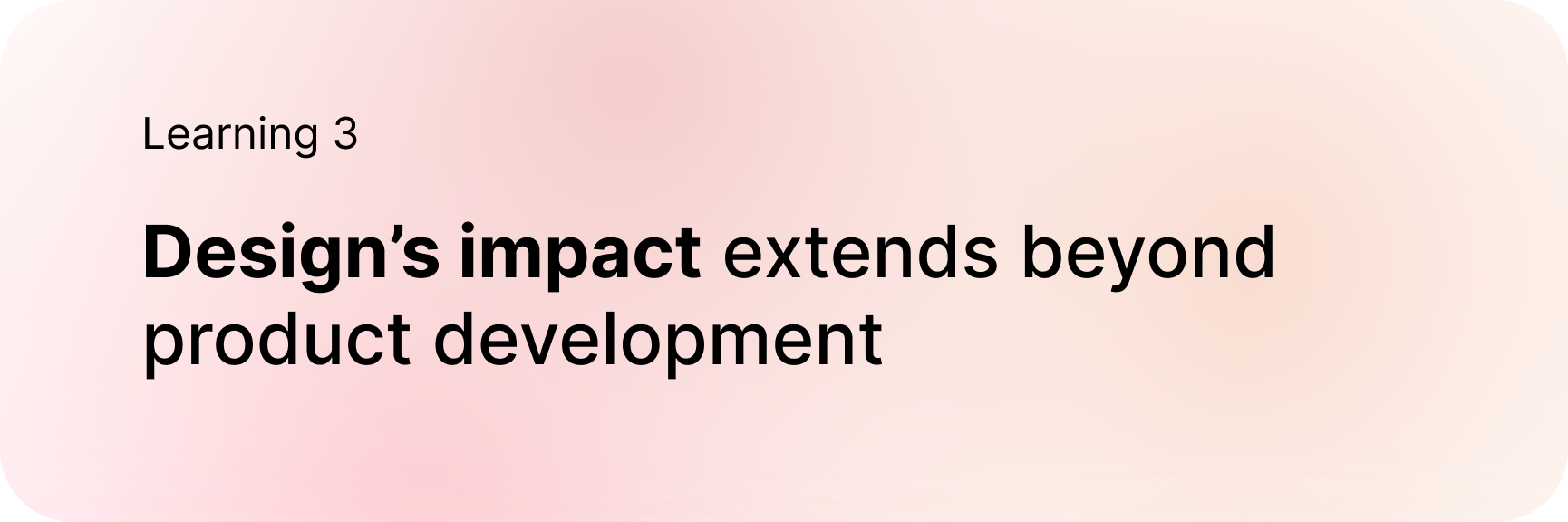
Embarking on this journey, my expertise in UX and Marketing design led me to believe my focus would be on crafting designs for customers and marketing assets. Little did I know, my skillset had the potential to be leveraged across the entire spectrum of business outcomes.
Sales. When doing sales demos with my cofounder, we realized that it’s an art not a science. It involved delving into calls, uncovering each prospect's unique pain points, and weaving our value proposition seamlessly into the product demo. The skill of conducting user research calls could be leveraged when talking to these prospects to understand their needs. This process was significant to the success of closing deals especially for the customers taking a leap with a new startup.
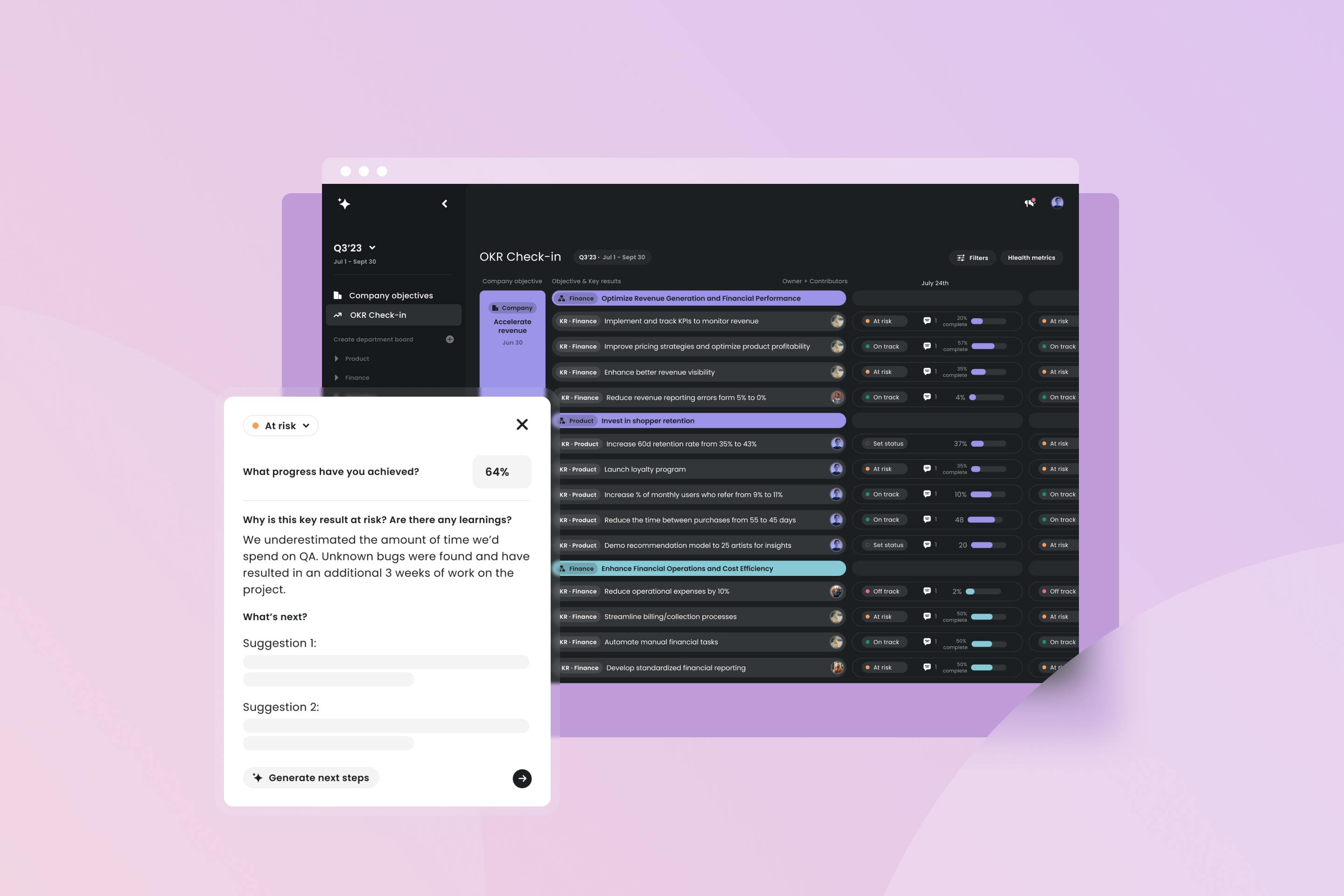
Additionally, being able to create sales mocks for the demo calls is a great way to get prospects through the pipeline. Even if our current offerings didn't align perfectly, we showcased how our solutions would resolve their challenges through my sales mocks. And then quickly build those key features to close the sales deal.
Fundraising. Designers have great storytelling skills. We’re naturals at guiding stakeholders through the journey of our designs and ideas -weaving compelling narratives. And fundraising for us needed just that. Early investors would be taking a leap with us and it meant having to show them how big we can dream and how we'd realize those dreams.
In this journey, I realized that being a Designer-Founder wasn't just about the designs themselves. It was about wielding design thinking as a versatile instrument across every facet, from sales calls to investor pitches, and infusing our vision into every endeavor we pursued.